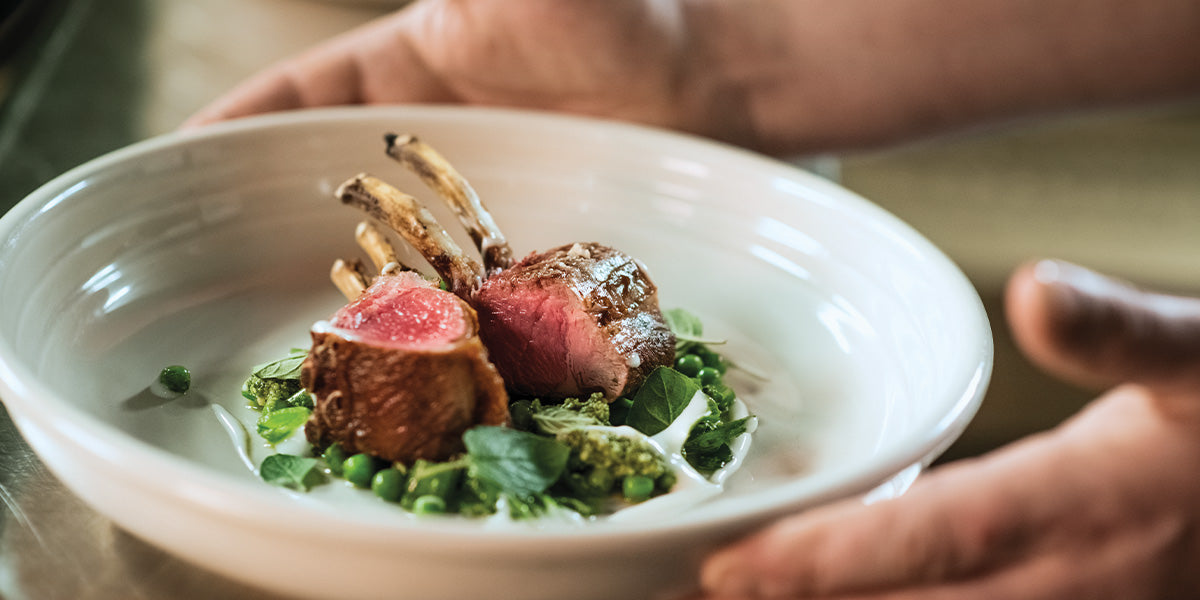
The Quest for Perfect Leg of Lamb: Precision, Doneness, and Masterful Methods
Roasting a leg of lamb is a culinary tradition, often the centrepiece of festive meals or a comforting Sunday dinner. Yet, achieving that ideal balance of tender, succulent meat with a perfectly browned exterior can feel like a daunting challenge. The good news? It doesn’t have to be. Mastering the leg of lamb involves understanding a few key variables: its weight, your desired doneness, and the cooking method you choose. With the right tools and knowledge, you can consistently deliver a show-stopping roast that earns rave reviews.
Forget the guesswork and embrace precision. Modern culinary aids, like a
Leg of Lamb Cooking Time Calculator: Perfect Doneness Guide, have revolutionized how home cooks approach this magnificent cut. These sophisticated tools consider critical factors to provide a reliable starting point, ensuring your efforts culminate in a truly memorable meal. But a calculator is just one piece of the puzzle; true mastery comes from combining this guidance with sound preparation techniques and an understanding of the meat itself.
The Essential Leg Of Lamb Cooking Time Calculator: Your Culinary Co-Pilot
At the heart of any successful leg of lamb preparation lies accurate timing. The "Leg Of Lamb Cooking Time Calculator" is an invaluable resource designed to take the guesswork out of your roast. This isn't just a generic timer; it's a smart tool that tailors its recommendations to your specific situation, providing a solid foundation for your cooking journey.
How a Calculator Delivers Precision
A robust leg of lamb cooking time calculator typically takes into account several critical parameters:
*
Weight of the Lamb: This is the primary driver of cooking time. The heavier the roast, the longer it will need. Most calculators operate on a 'minutes per kilogram' (or pound) basis.
*
Desired Doneness: This is entirely up to your preference, from rare to well-done. Each doneness level corresponds to a different internal temperature and, consequently, a different cooking time per unit of weight. For instance, a common guideline might be:
* Rare: 20 minutes per kilogram
* Medium-Rare: 25 minutes per kilogram
* Medium: 30 minutes per kilogram
* Well-Done: 35 minutes per kilogram
*
Stuffed vs. Unstuffed: If you're stuffing your lamb (e.g., with herbs, breadcrumbs, or vegetables), this adds mass and density, requiring additional cooking time. A calculator might factor in an extra 10 minutes per kilogram for a stuffed roast.
*
Cooking Method: Some advanced calculators even consider your chosen cooking method – whether it's traditional roasting, slow cooking, sous vide, or barbecue – as each method influences heat transfer and overall duration.
By inputting these details, the calculator provides an estimated total cooking duration, giving you a clear roadmap for your roast. This initial timing is crucial for planning your meal and ensuring everything comes together perfectly.
Beyond the Estimate: The Indispensable Role of a Meat Thermometer
While a calculator provides an excellent estimate, it's vital to remember its limitations. Factors like your specific oven's calibration, its actual temperature fluctuations, altitude, the shape of the lamb, and even its bone-in or boneless state can subtly alter actual cooking times.
This is where a high-quality meat thermometer becomes your ultimate ally.
A calculator gives you a guide; a thermometer tells you the truth. Always use a reliable digital meat thermometer to monitor the internal temperature of your lamb. Insert it into the thickest part of the meat, avoiding the bone, to get the most accurate reading. This ensures not only the perfect doneness but also food safety.
Decoding Doneness: Internal Temperatures for Every Preference
Understanding doneness is paramount to cooking lamb to perfection. While visual cues can be helpful, internal temperature is the only truly reliable indicator. The ideal temperature dictates the texture, juiciness, and flavour profile of your roast.
Here’s a breakdown of common doneness levels and their target internal temperatures (remembering to pull the meat 5-10°C / 10-15°F *before* the target, to account for carryover cooking):
*
Rare: 50-54°C (122-129°F)
*
Appearance: Deep red center, very moist and juicy.
*
Texture: Extremely tender, yields easily to the touch.
*
Experience: A favourite for those who appreciate the robust, natural flavour of lamb in its most succulent form.
*
Medium-Rare: 55-59°C (130-138°F) – Often Recommended
*
Appearance: Vibrant pink center, incredibly juicy and tender.
*
Texture: Firm but still very yielding, with a pleasant chew.
*
Experience: Considered by many chefs and enthusiasts to be the optimal doneness for leg of lamb, striking a perfect balance of flavour, texture, and juiciness.
*
Medium: 60-66°C (140-150°F)
*
Appearance: Light pink center, with slightly less juice than medium-rare.
*
Texture: Firmer throughout, with a more structured bite.
*
Experience: A good choice for those who prefer less pink in their meat but still want a tender, flavourful roast.
*
Well Done: 67-74°C (153-165°F)
*
Appearance: No pink visible, fully cooked through.
*
Texture: Firm and can be less juicy if overcooked.
*
Experience: While sometimes preferred for food safety reasons or personal taste, overcooking can lead to a drier, tougher texture. If aiming for well-done, ensure careful monitoring to prevent excessive dryness.
The Magic of Carryover Cooking
One of the most crucial concepts in roasting meat is
carryover cooking. This refers to the phenomenon where meat continues to cook even after it's removed from the oven or heat source. The residual heat in the roast distributes from the exterior towards the cooler centre, causing the internal temperature to rise by several degrees (typically 5-10°C or 10-15°F).
To account for this, always pull your leg of lamb from the oven *before* it reaches your target internal temperature. This ensures that by the time it has rested (another vital step!), it will hit the perfect doneness without becoming overcooked.
Beyond the Calculator: Masterful Preparation & Cooking Techniques
While a calculator helps with timing, the journey to a perfect leg of lamb begins long before it enters the oven. Smart preparation and understanding different cooking methods elevate your roast from good to unforgettable.
Preparation Tips for Peak Performance
*
Bring to Room Temperature: Remove the lamb from the refrigerator 30-60 minutes before cooking. This allows for more even cooking throughout the roast, preventing the exterior from overcooking while the interior struggles to warm up.
*
Pat it Dry: Use paper towels to thoroughly pat the entire surface of the lamb dry. Moisture on the surface inhibits browning, preventing that coveted crispy crust.
*
Season Generously: Don't be shy with seasoning. A generous application of coarse salt, freshly ground black pepper, garlic, and robust herbs like rosemary and thyme will infuse flavour deep into the meat. Consider a simple paste of minced garlic and herbs rubbed over the surface.
*
Score the Fat Cap: If your leg of lamb has a significant fat cap, score it in a crosshatch pattern (without cutting into the meat). This allows the fat to render more efficiently, resulting in a crispy, flavourful crust and preventing the fat from insulating the meat too much.
*
Resting is Non-Negotiable: After cooking, always allow the lamb to rest, tented loosely with foil, for at least 15-20 minutes (longer for larger roasts). This crucial step allows the meat fibres to relax and reabsorb the juices, resulting in a far more tender and succulent slice. Cutting it too soon will cause all those precious juices to run out onto the cutting board, leaving you with dry meat.
Exploring Cooking Methods
Different cooking methods offer unique advantages for leg of lamb:
*
Roasting (Traditional Oven): This is the most common method, ideal for achieving an even cook and a delicious crispy exterior.
*
Technique: Often starts with a high initial temperature (e.g., 200-220°C / 400-425°F) for 15-20 minutes to sear the outside, then reduces to a lower temperature (e.g., 160-180°C / 325-350°F) for the remainder of the cooking time. Use a roasting rack to allow air circulation around the entire roast.
*
Slow Roast (Low and Slow): For maximum tenderness and moisture retention, slow roasting at lower temperatures over an extended period is fantastic.
*
Technique: Cook at temperatures around 120-150°C (250-300°F) for several hours. This method breaks down connective tissues beautifully, making the lamb incredibly tender.
*
Sous Vide: The ultimate in precision cooking, sous vide ensures perfect doneness throughout the entire cut of meat.
*
Technique: Vacuum-seal the lamb with seasonings and cook in a temperature-controlled water bath to your exact desired doneness. Finish by searing in a hot pan or under a broiler for a crispy crust.
*
Barbecue / Smoker: For a distinct smoky flavour and char, cooking on a barbecue or in a smoker adds another dimension.
*
Technique: Requires careful temperature monitoring and indirect heat. Often involves brining or marinating for extra moisture and flavour.
Steering Clear of Common Pitfalls for a Perfect Roast
Even with a calculator and a thermometer, certain missteps can derail your leg of lamb. Being aware of these common mistakes will help you avoid them and ensure a consistently outstanding result. For more in-depth insights into these pitfalls, check out our guide on
Unlock Juicier Leg of Lamb: Avoid Common Cooking Mistakes.
*
Cooking Straight from the Refrigerator: As mentioned, cold meat cooks unevenly, leading to an overcooked exterior and an undercooked interior.
*
Not Letting the Meat Rest: Skipping the resting period is one of the biggest crimes against roasted meat. It results in dry, tough slices.
*
Overcooking: Lamb, especially leg, is at its best when served medium-rare to medium. Pushing it further risks dryness and a less enjoyable texture.
*
Not Using a Meat Thermometer: Relying solely on visual cues or estimated times is a gamble. A thermometer is the only way to guarantee accuracy and food safety.
*
Cutting the Meat Immediately After Cooking: Impatience here will cause all those delicious juices to escape, making your lamb dry.
*
Not Accounting for Carryover Cooking: Pulling the lamb at the target temperature means it will be overcooked by the time it's served.
Carving Your Culinary Masterpiece
After all your meticulous preparation and cooking, don't stumble at the finish line! Proper carving ensures every slice is as tender and inviting as possible.
*
Against the Grain: This is the golden rule for carving any roast. Identify the direction of the muscle fibres and slice perpendicular to them. This shortens the fibres, making the meat incredibly tender and easier to chew.
*
Use a Sharp Knife: A well-sharpened carving knife will make clean, even cuts, preserving the meat's texture and appearance.
*
Start from the Thickest Part: Begin carving from the thicker, meatier end of the leg, working your way towards the thinner sections.
*
Bone-In Considerations: For a bone-in leg, you might first carve larger sections of meat off the bone before slicing them against the grain, or carefully slice around the bone. Alternatively, some prefer to remove the bone entirely before carving, which makes slicing much easier.
*
Save the Pan Juices: Don't discard the rich pan juices! These are liquid gold, perfect for making a flavourful gravy or sauce to accompany your lamb.
Conclusion
Mastering the leg of lamb is a rewarding culinary achievement that brings immense satisfaction to both the cook and the diners. By leveraging powerful tools like a "Leg Of Lamb Cooking Time Calculator" to establish your initial timing, meticulously monitoring internal temperatures with a meat thermometer, embracing thoughtful preparation steps, and understanding the nuances of different cooking methods, you're set for success. Remember to let your lamb rest, carve it against the grain, and most importantly, enjoy the process of creating a truly magnificent meal. With these insights, you're well-equipped to turn every leg of lamb into a tender, flavourful triumph.